
32. Strategic Phased Rehabilitation: Managing Severe Alveolar Atrophy
Case Summary
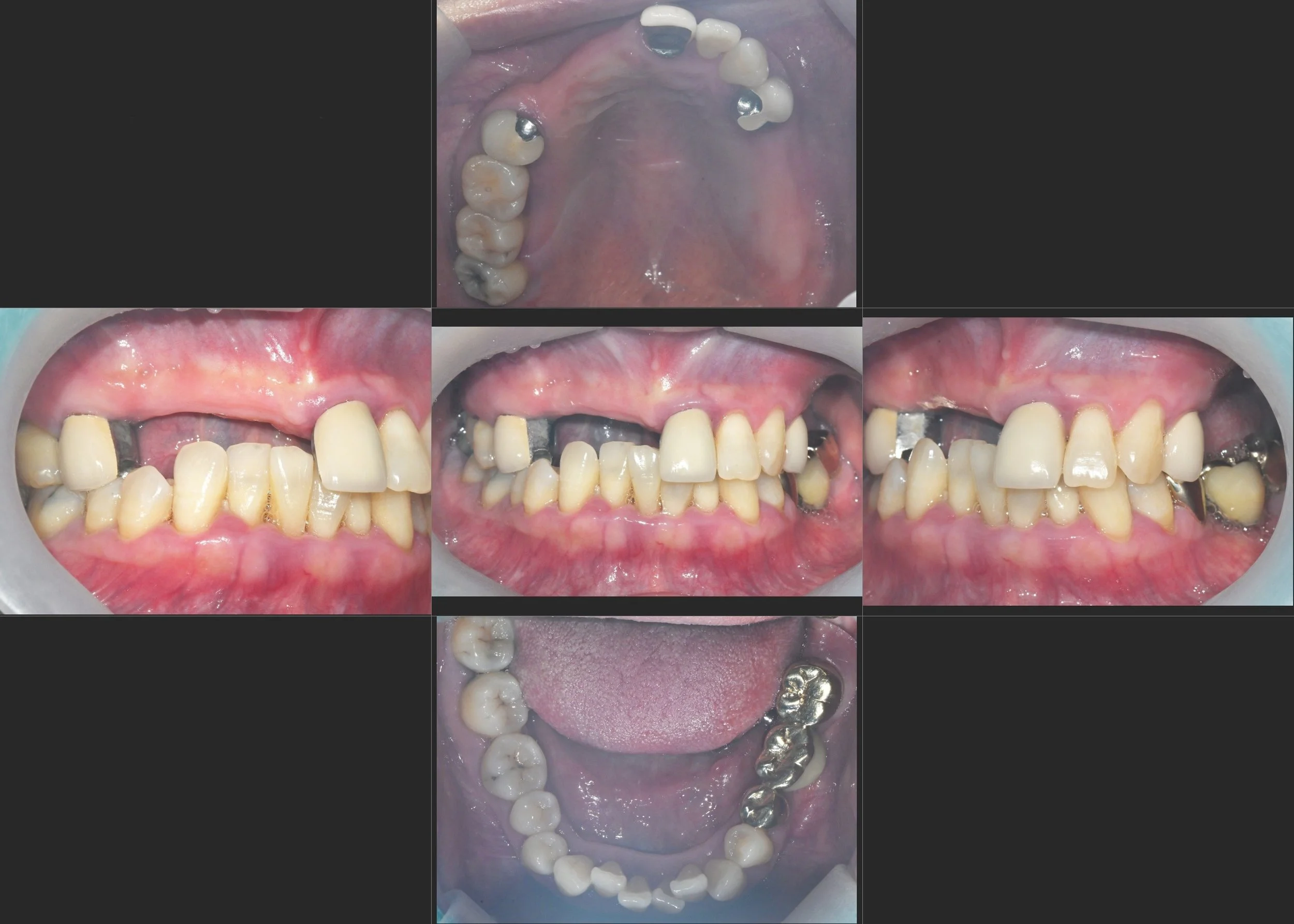
A female patient in her 50s presented with significant functional impairment resulting from long-term reliance on ill-fitting removable dentures. The clinical situation was characterized by:
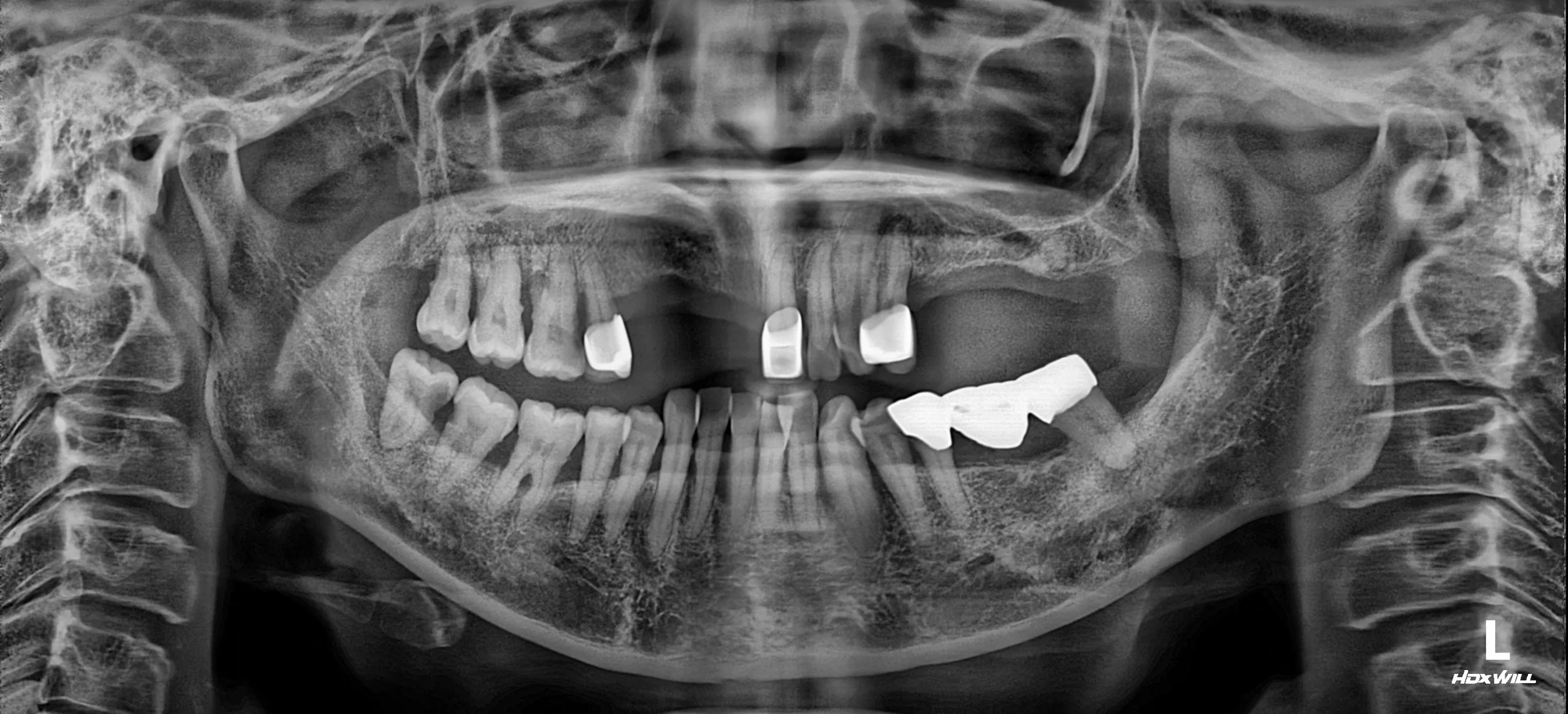
Severe Alveolar Resorption: Chronic pressure from the dentures had led to extreme horizontal and vertical bone loss, particularly in the edentulous spans.
Total Occlusal Collapse: The lack of stable posterior stops had compromised the patient's vertical dimension and chewing capacity.
Patient Preference for Phased Care: The patient requested a sequential approach to treatment, prioritizing the most urgent edentulous areas while deferring treatment for quadrants 10 and 40.
OPG - BEFORE
INTRA ORAL - BEFORE
Treatment Objectives
Foundation Reconstruction: To perform Guided Bone Regeneration (GBR) to recover the necessary bone volume for stable implant placement.
Priority Edentulous Recovery: To restore the primary missing segments with dental implants to regain immediate masticatory function.
Forward-Looking Occlusal Design: To establish a new vertical dimension and occlusal curve that functions optimally now, while being specifically engineered to accommodate the future restoration of quadrants 10 and 40.
Aesthetic and Structural Stabilization: To replace failing units with high-strength restorations that provide facial support and long-term durability.
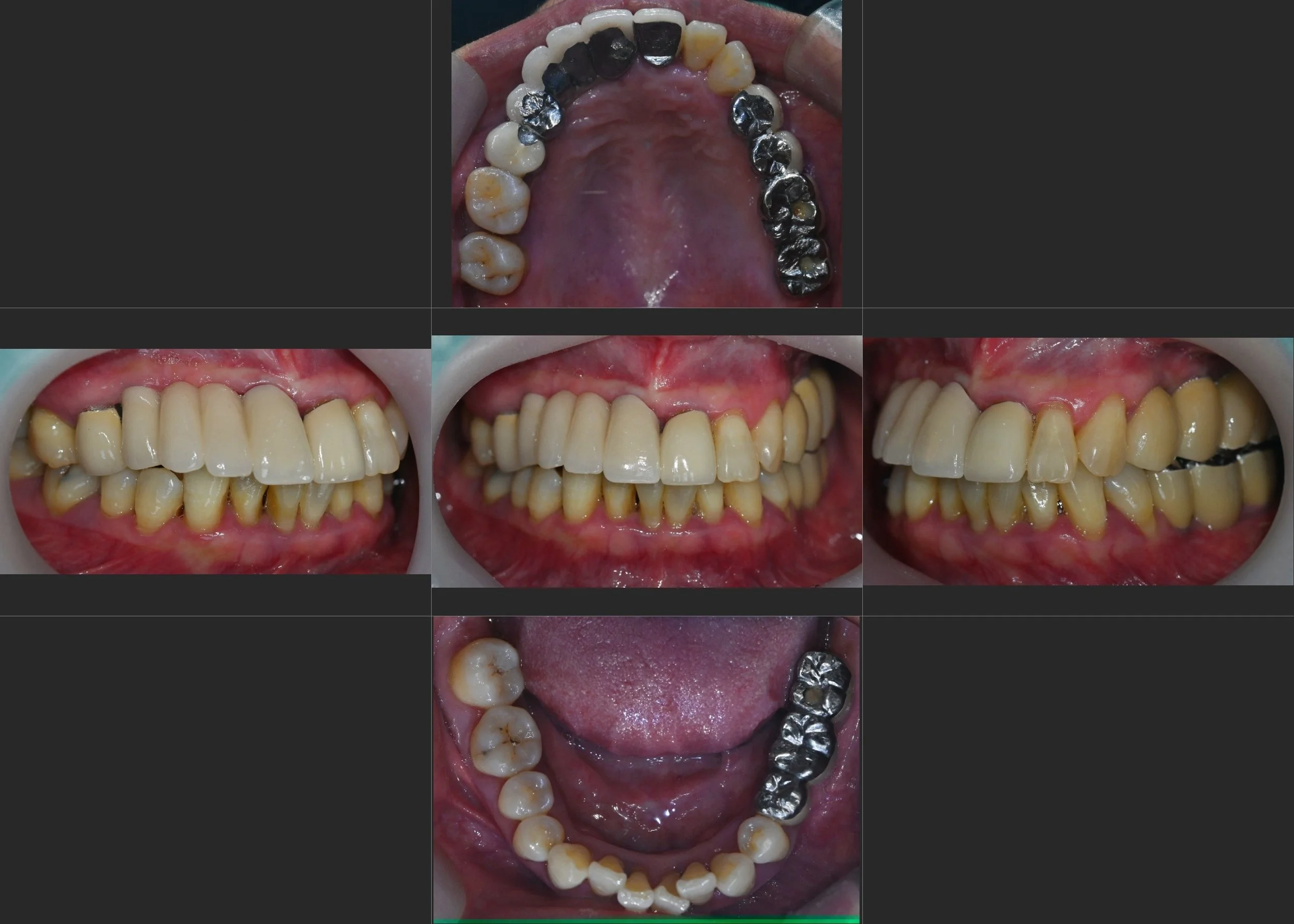
INTRA ORAL - AFTER
Treatment Approach
The rehabilitation was approached with meticulous planning to ensure the current work serves as a reliable foundation for the next phase:
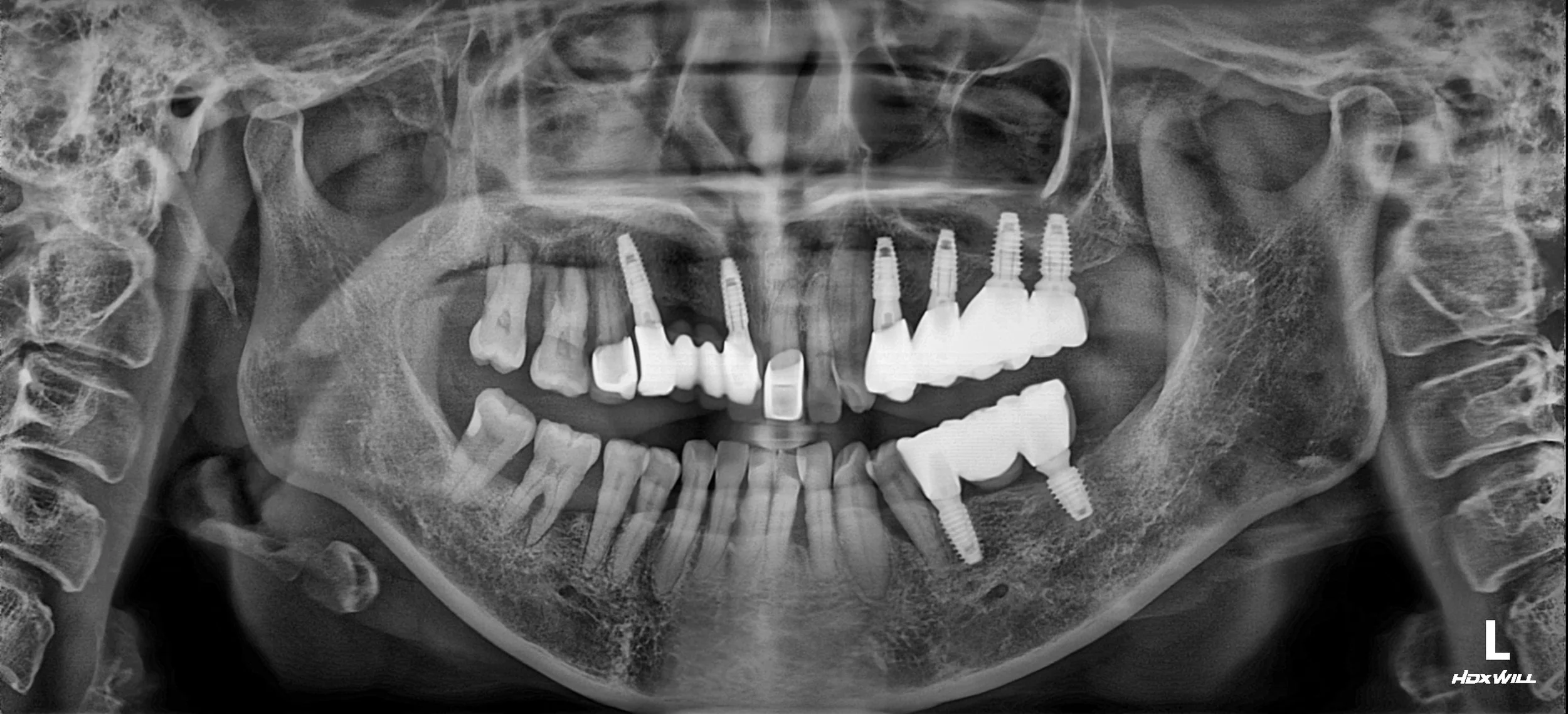
Surgical Phase (Foundation Building): Extensive bone grafting was performed in the prioritized edentulous areas. Following a suitable healing period, dental implants were strategically placed to provide robust support.
Sequential Strategy: In accordance with the patient's request, quadrants 10 (upper right) and 40 (lower right) were maintained in their current state. This required a sophisticated prosthetic design that balances the bite using the newly restored segments while anticipating the eventual integration of the deferred quadrants.
VDO Management & Adaptation: The Vertical Dimension of Occlusion (VDO) was reset to a more physiologically neutral height. Temporary restorations were utilized to ensure the patient adapted comfortably to the new mandibular position.
Definitive Delivery: Final zirconia bridges and crowns were delivered. The occlusal scheme was meticulously calibrated to provide stable stops and interference-free guidance, ensuring a seamless transition when the patient is ready for the final phase of her full-mouth journey.
The result is a functional and aesthetic transformation that respects the patient's pacing while providing the clinical stability required for long-term success.
